
Skills Gained Through Military Service
A powerful asset in the civilian workforce
Transitioning from military service to a civilian career can feel very unfamiliar. You may be thinking about how your experience translates or how to position your background in a way that resonates with employers.
The reality is, you've already built a strong and valuable skill set through your service. Many of the strengths you developed are exactly what organizations look for today. The key is recognizing those skills and learning how to communicate them with confidence.
Why military experience matters to employers
Military service builds transferable skills that apply across industries and roles. These aren't just helpful qualities. They're capabilities teams rely on every day to move work forward and deliver results.
Here are some of the strengths you may have developed:
- Leadership and Accountability: You may have led teams, trained others, or been responsible for outcomes where there was little room for error. Taking ownership and following through are skills that translate directly into leadership roles.
- Adaptability and Resilience: You've likely worked through changing priorities and high-pressure situations that required you to stay focused and adjust quickly. That ability to adapt is highly valued in today’s workplace.
- Problem-Solving and Critical Thinking: You've assessed situations, made decisions quickly, and taken action with limited information. These experiences build strong decision-making skills that apply across many roles.
- Teamwork and Collaboration: You've worked closely with others to accomplish shared goals. That experience builds trust and the ability to collaborate across teams and functions.
- Coachable and Growth Mindset: Military service requires continuous learning, feedback, and development. You're used to taking direction, applying feedback quickly, and improving over time. This ability to learn, adapt, and grow is highly valued in any workplace.
- Communication Skills: You know how to communicate clearly and directly, especially when it matters most. That clarity is essential in any business setting.
- Technical and Operational Experience: Many military roles involve hands-on experience with systems, logistics, or operations. These skills can translate into a wide range of civilian careers.
These are not abstract strengths. They show up in real ways on the job, from leading teams and managing operations to solving problems and supporting customers.
How to translate your military experience for civilian roles
One of the biggest challenges veterans face isn't a lack of experience. It's translating that experience into language that aligns with civilian roles.
When building your resume or preparing for interviews:
- Focus on what you accomplished: Think about results, not just responsibilities. What did you lead, improve, or deliver?
- Use civilian-friendly language: Replace military terms with language that aligns to business roles.
- Led a platoon = Managed a team of X individuals
- Executed mission objectives = Delivered on strategic goals
- Maintained equipment = Oversaw operations and system performance
- Highlight scale impact: Include numbers where you can, such as team size, scope, or outcomes.
- Connect your experience to the role: Review job descriptions and align your skills to what employers are looking for.
Q & A Spotlight
Q. Should I include my military experience on my resume?
A. Yes. Your service reflects leadership, discipline, and a strong work ethic. Focus on how your experience connects to the role you're applying for.
Q. What if my role doesn't seem relevant to civilian jobs?
A. Every role builds transferable skills. Even if your work was specialized, the skills you developed such as teamwork, accountability, and problem-solving are widely applicable.
Q. How do I talk about my experience in interviews?
A. Be clear and confident. Share examples that highlight your impact and connect your experience to the role.
Q. What if I feel unsure about transitioning to the civilian workforce?
A. That's completely normal. You're not starting over. You're building on a foundation of experience that employers value.
You're more prepared than you think
Your military experience has already prepared you for success in a civilian career. The next step is recognizing how those strengths apply and finding the right opportunity to use them. At Citizens, we value the leadership, perspective, and dedication veterans bring, and we are here to support your next chapter.
Explore more resources and support for the military and veteran community.
-
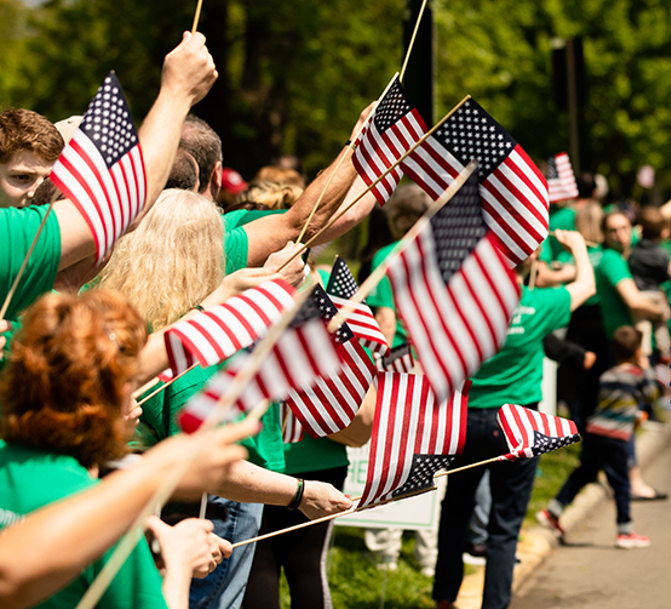
Supporting Veterans and Military Families at Citizens
Military members demonstrate the ultimate sacrifice. At Citizens, we're proud to support veterans, those who are serving, and those who support them.
-

How to Build a Civilian Resume After Military Service
Not sure where to start with your resume? Learn how to translate your military experience into a clear, confident civilian resume.
-

How to Build a Strong LinkedIn Profile After Military Service
New to LinkedIn? Learn how to build a profile that showcases your military experience, grows your network, and connects you to new opportunities.