
Your Resume Tells Your Story. LinkedIn Helps People Find It.
If you're starting your job search after military service, your LinkedIn profile is one of the most important tools you can build. It's where recruiters go to learn more about your experience, your skills, and what you're looking for next.
You don't need to have everything figured out to get started. You already have the experience. This is about building a profile that makes it easier for others to see your value and connect you to opportunities.
Why LinkedIn matters
LinkedIn is more than an online resume. It's where opportunities happen. Recruiters actively search for candidates based on skills, experience, and activity. A strong profile helps you:
- Show up in recruiter searches
- Build meaningful connections
- Tell your story beyond your resume
Even a few updates can make a big difference in how you are seen.
How to build a strong LinkedIn profile
1. Start with the basics and build over time
If you're new to LinkedIn, start simple.
Focus on:
- A professional photo: This doesn't need to be formal. A clear photo of you from the shoulders up, with good lighting and a simple background, works well. A military photo, such as a dress uniform, is absolutely appropriate if it reflects how you want to present yourself.
- A clear headline: Your headline is one of the first things people see. It should reflect your strengths and the direction you're heading.
- Your experience: Add your military roles and begin describing what you did, what you led, and what you achieved.
You don't need a perfect profile on day one. Build it step by step.
2. Create a headline that reflects where you're going
Your headline is a quick snapshot of your strengths and the type of work you're pursuing. It should help recruiters and connections understand your experience in a way that feels clear, relevant, and easy to recognize.
Instead of:
Infantry Squad Leader
Try:
Operations Leader | Team Management | Problem Solver
This helps translate your experience in a way that is more familiar to civilian employers.
3. Tell your story in the About section
This is your chance to connect the dots.
Keep it:
- Clear
- Forward-thinking
- Focused on what you bring
You can briefly mention your military background, but focus on how your experience translates into the civilian roles you are pursuing.
4. Translate your experience into civilian language
Just like your resume, your LinkedIn profile should be easy for employers to understand.
Focus on:
- What you did
- What you led
- What you achieved
If you're not sure how to do this, take a closer look at how military skills apply across civilian careers.
5. Add skills that align with your career goals
Your skills help recruiters find you.
- Leadership
- Operations
- Project Management
- Communication
Then review job descriptions that interest you and add skills that match what employers are looking for.
6. Let recruiters know you're open to opportunities
LinkedIn allows you to signal that you're open to work.
You can:
- Add career interests
- Select the types of roles you want
- Choose whether recruiters can see your status
You can also choose to display an "Open to Work" frame on your profile photo.
To add this:
- Click on your profile picture
- Select Add frame
- Choose the Open to Work option
- Save to apply the overlay to your photo
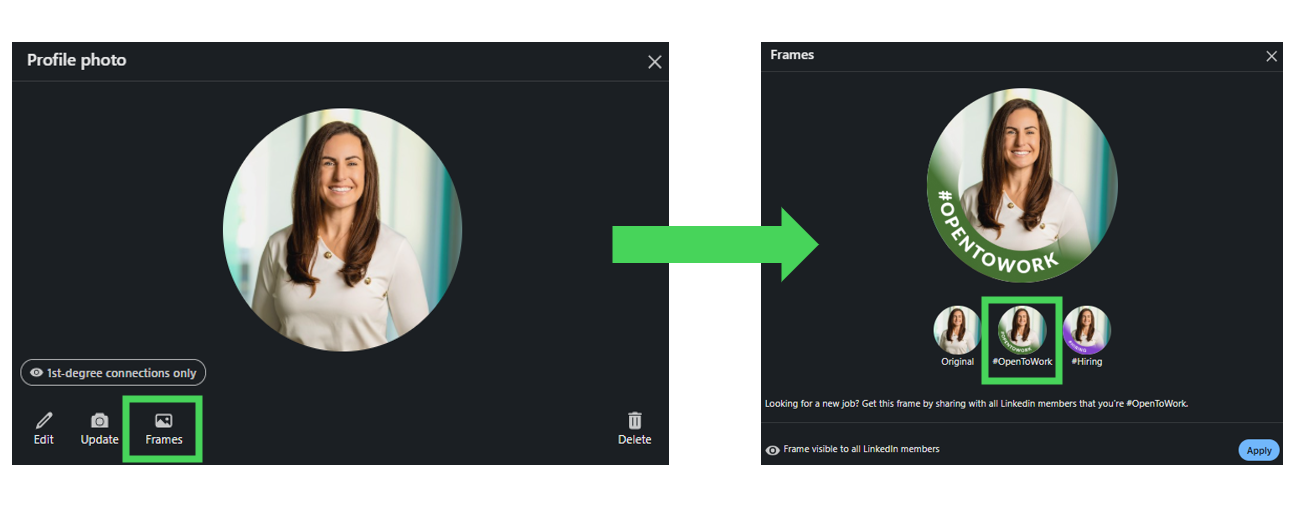 This is a simple way to make your profile more visible and signals to recruiters that you are actively exploring opportunities.
7. Build your network with intention
This is where LinkedIn becomes powerful.
Start by:
- Connecting with people you served with
- Following companies you're interested in
- Looking for professionals who transitioned from the military
👉 Insider tip: If you're interested in a company, search for employees who have a military background. This gives you a natural connection point.
Example message:
Hi [Name], I came across your profile while exploring opportunities at [Company]. I noticed you also served in the military, and I'm currently transitioning and exploring similar paths. I'd love to connect and learn more about your experience.
Q & A Spotlight
Q. Do I need LinkedIn if I already have a resume?
A. It's highly recommended. Many recruiters search LinkedIn first to find and evaluate candidates.
Q. What if my profile isn't complete yet?
A. That's okay. Start with the basics and continue building over time.
Q. How active do I need to be?
A. You don't need to post every day. Even small actions like connecting, liking, or commenting can help you stay visible.
Q. Should I reach out to people I don't know?
A. Yes. LinkedIn is built for networking. A short, thoughtful message can go a long way.
Make your experience visible
You've already built valuable experience through your service. LinkedIn is one of the most powerful tools to help others see that. Start simple, stay consistent, and focus on building connections. Over time, your profile becomes more than a page. It becomes a way to open doors. At Citizens, we value the leadership and perspective veterans bring, and we're here to support your next chapter.
Explore more resources and support for the military and veteran community.
-
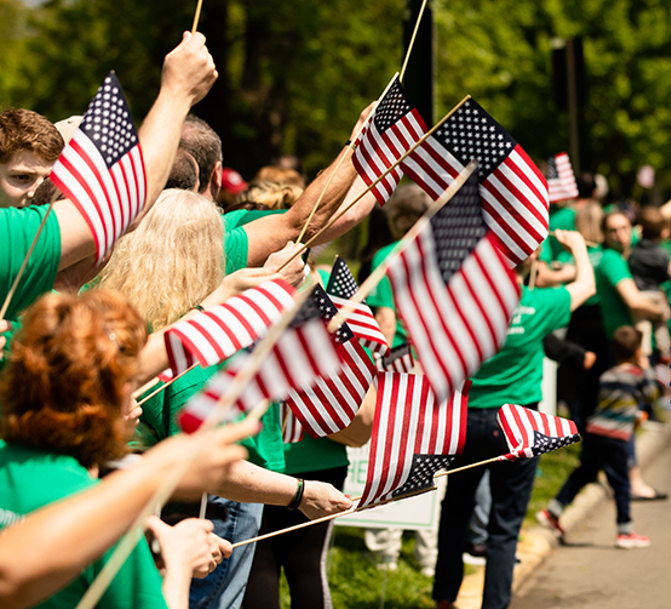
Supporting Veterans and Military Families at Citizens
Military members demonstrate the ultimate sacrifice. At Citizens, we're proud to support veterans, those who are serving, and those who support them.
-
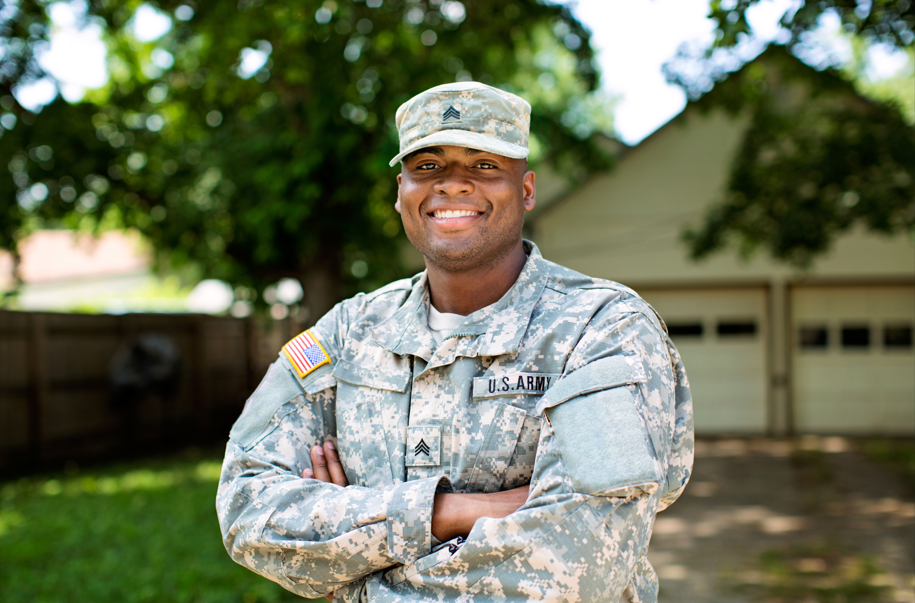
Skills Gained Through Military Service
Your military experience has prepared you for for than you may realize. Learn how to translate your skills into a successful civilian career.
-

How to Build a Civilian Resume After Military Service
Not sure where to start with your resume? Learn how to translate your military experience into a clear, confident civilian resume.